Common Store
We starved in sight of plenty on that Virginia shore
Posts on this site may contain copyrighted material, including but not limited to music clips, song lyrics, and images, the use of which has not always been specifically authorized by the copyright owner. Such material is made available for purposes such as criticism, commentary, news reporting, teaching, scholarship, education, or research, in accordance with the principles of fair use under Section 107 of the U.S. Copyright Act.
Some stories of this country's early settlement should be told anew. This generation needs to understand the story of the Common Store for they propose virtually the identical philosophy today without any understanding of human nature nor the result of every previous attempt at implement such. A heavy price is paid each time ... yet there are those today who have no idea and seek to teach us this lesson again.
Common Store
[instrumental intro]
(Verse 1)
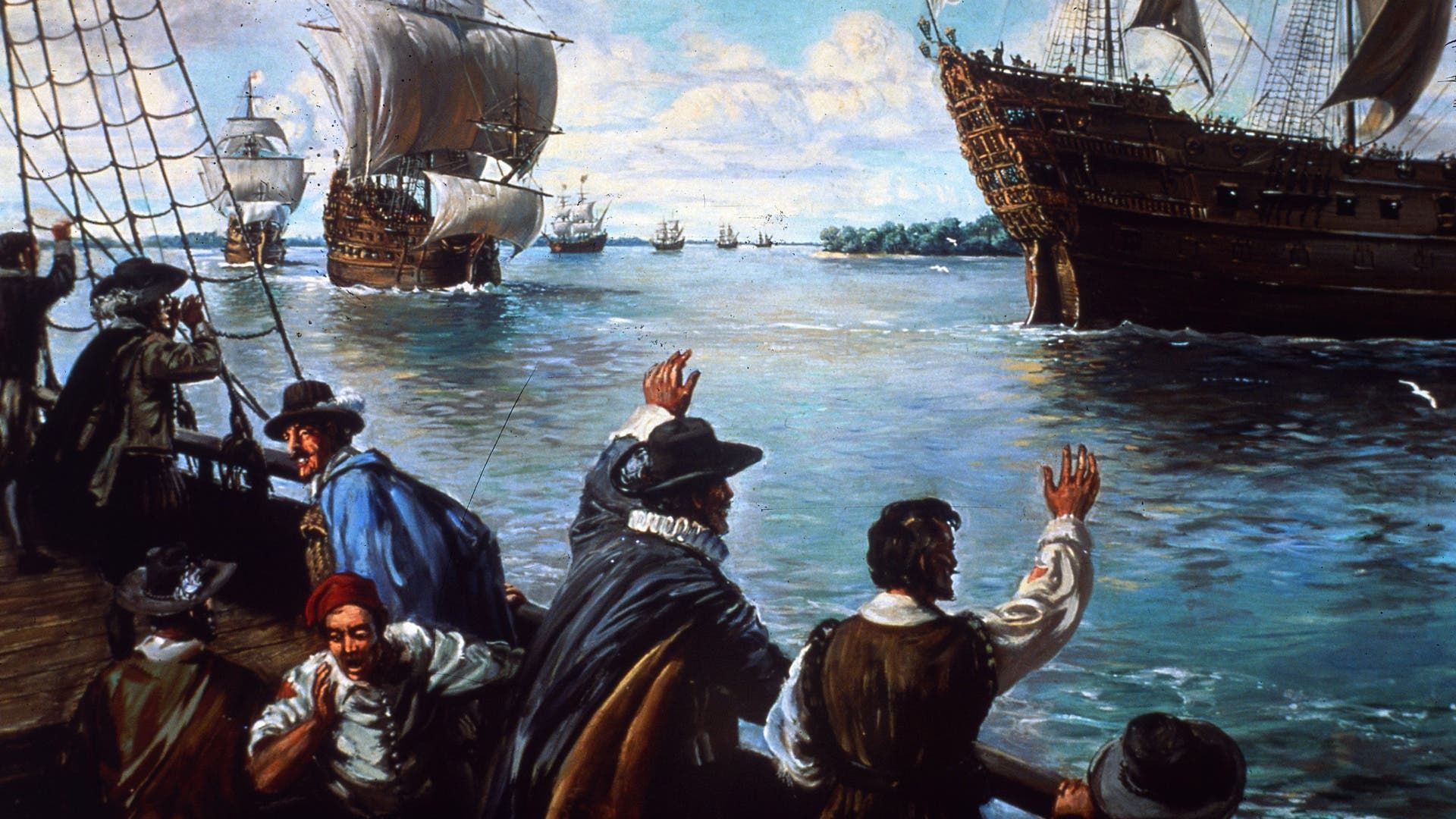
In sixteen hundred and seven we sailed across the sea
With dreams of gold in Virginia, brave Englishmen were we
The Company gave orders, “All labor for the whole
Your corn and your tobacco goes straight into the common store”
(Chorus)
Oh the common store, the common store
Where the idle eat as much as them that plow
We starved in sight of plenty on that dark Virginia shore
Till we broke the chains of the common store
(Verse 2)
The gentlemen in velvet refused to swing an axe
“Why toil in the clearing when rations come for nought?”
The blacksmith and the carpenter sat idle in their shacks
For a man got the same ear of corn whether he worked or not
(Chorus)
Oh the common store, the common store
Where the lazy and the willing shared the bowl
While the drought it burned the cornfields and fever took its score
Death walked free because of the common store
[instrumental solo]
(Verse 3)
Five hundred souls in summer, by spring just sixty breathed
We ate the dogs and horses, then boots of leather seethed
John Smith he cried in anger, “No work, then none shall eat!”
But the charter bound our hands till the common store’s defeat
(Verse 4)
Then Dale came down from England with martial law and fire
Gave every man three acres to farm for his desire
The sluggard turned a plowboy, the idler swung the hoe
And corn grew tall as heaven where none had dared to grow
(Chorus – final)
Farewell the common store, the common store
We cast your shackles to the wind once more
Now every man reaps what his own two hands have sown
And Virginia lives because we killed the common store
(Outro – spoken over fading banjo)
Thus perished the dream of the common store
And thus was born the land of the free
[instrumental outro -slow mornful fiddle]
The Common Store - A Failure of Early American Socialism
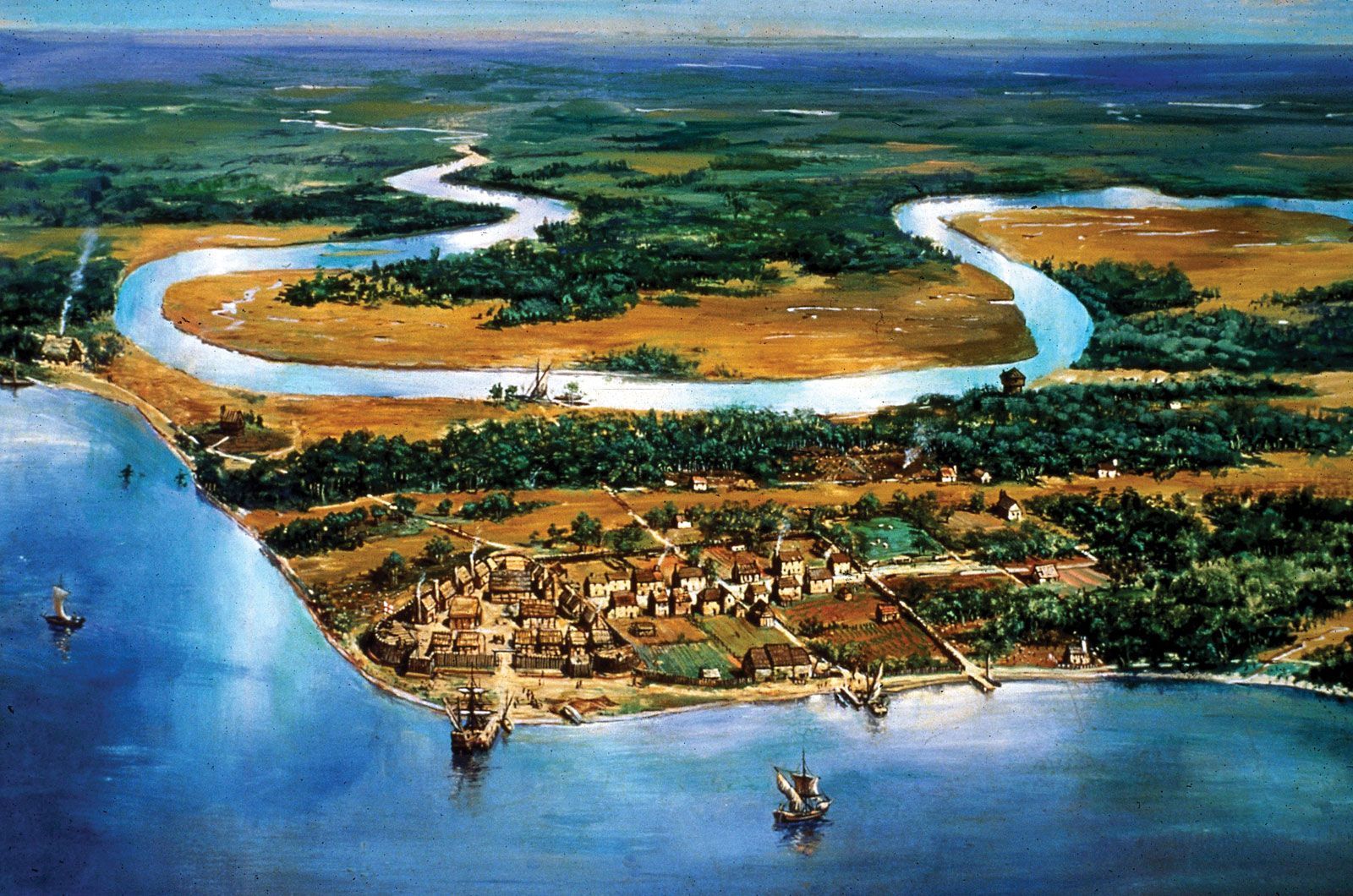
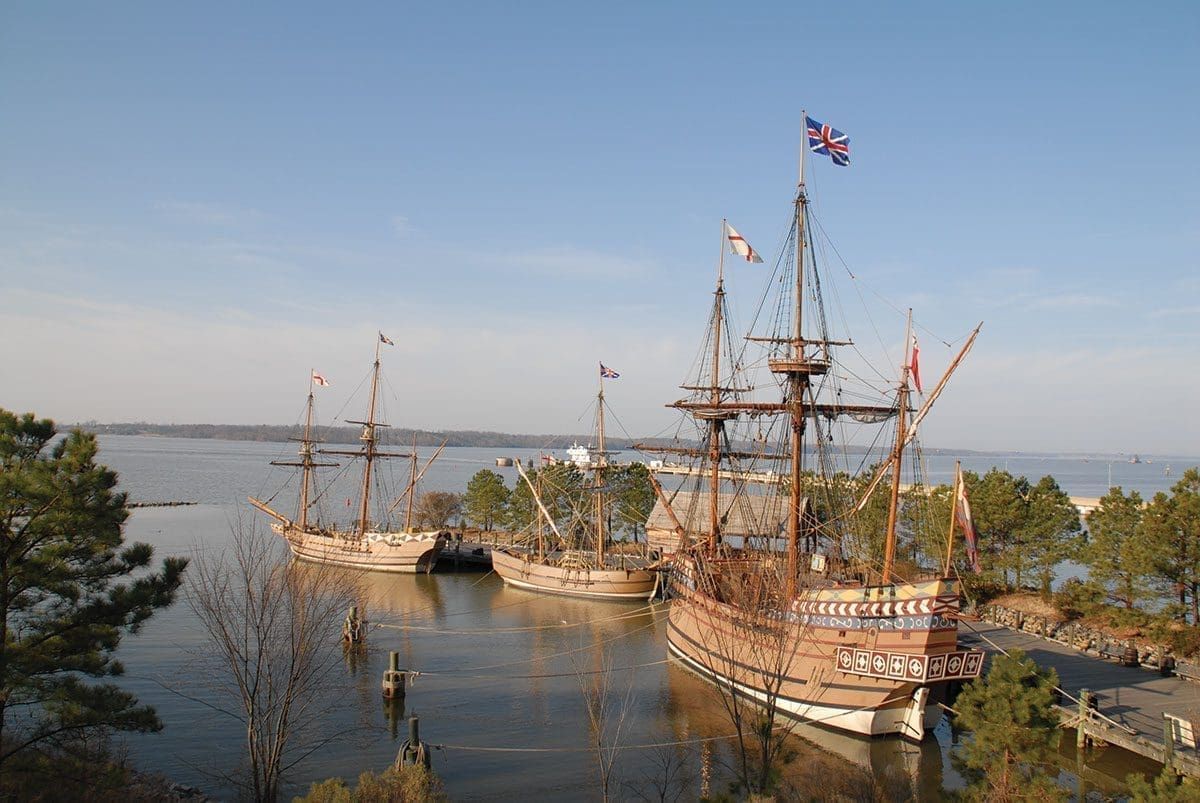
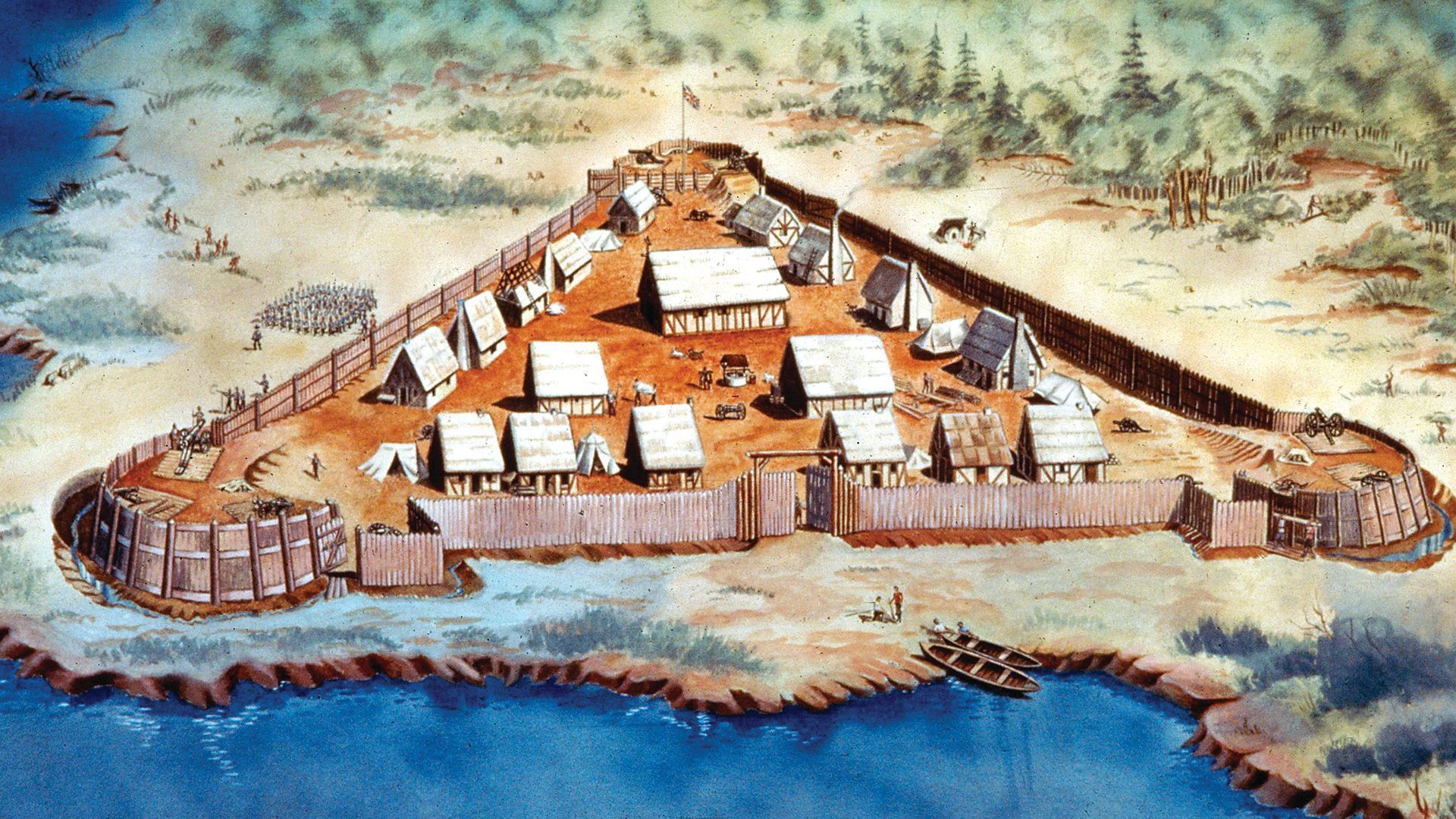
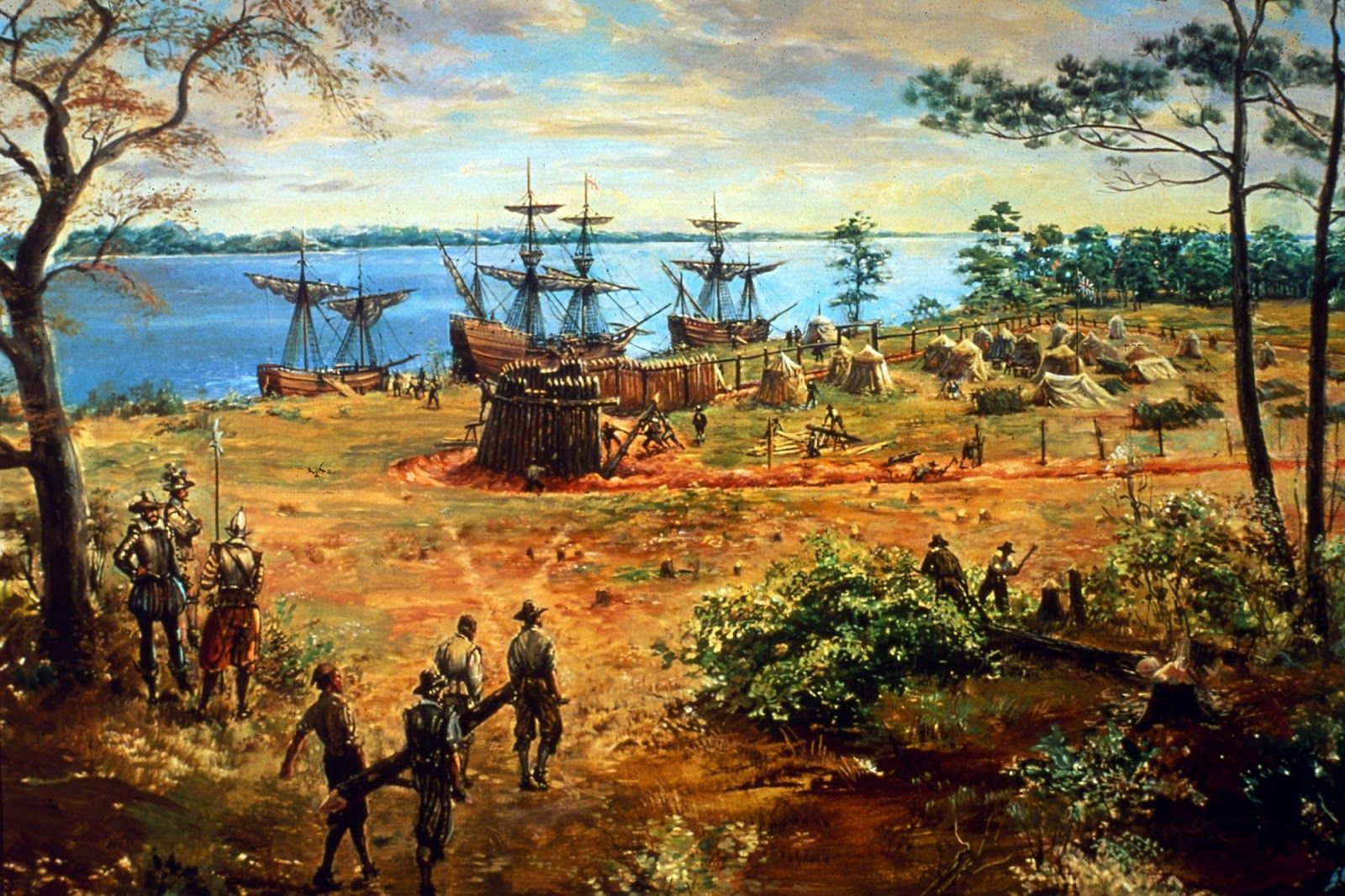
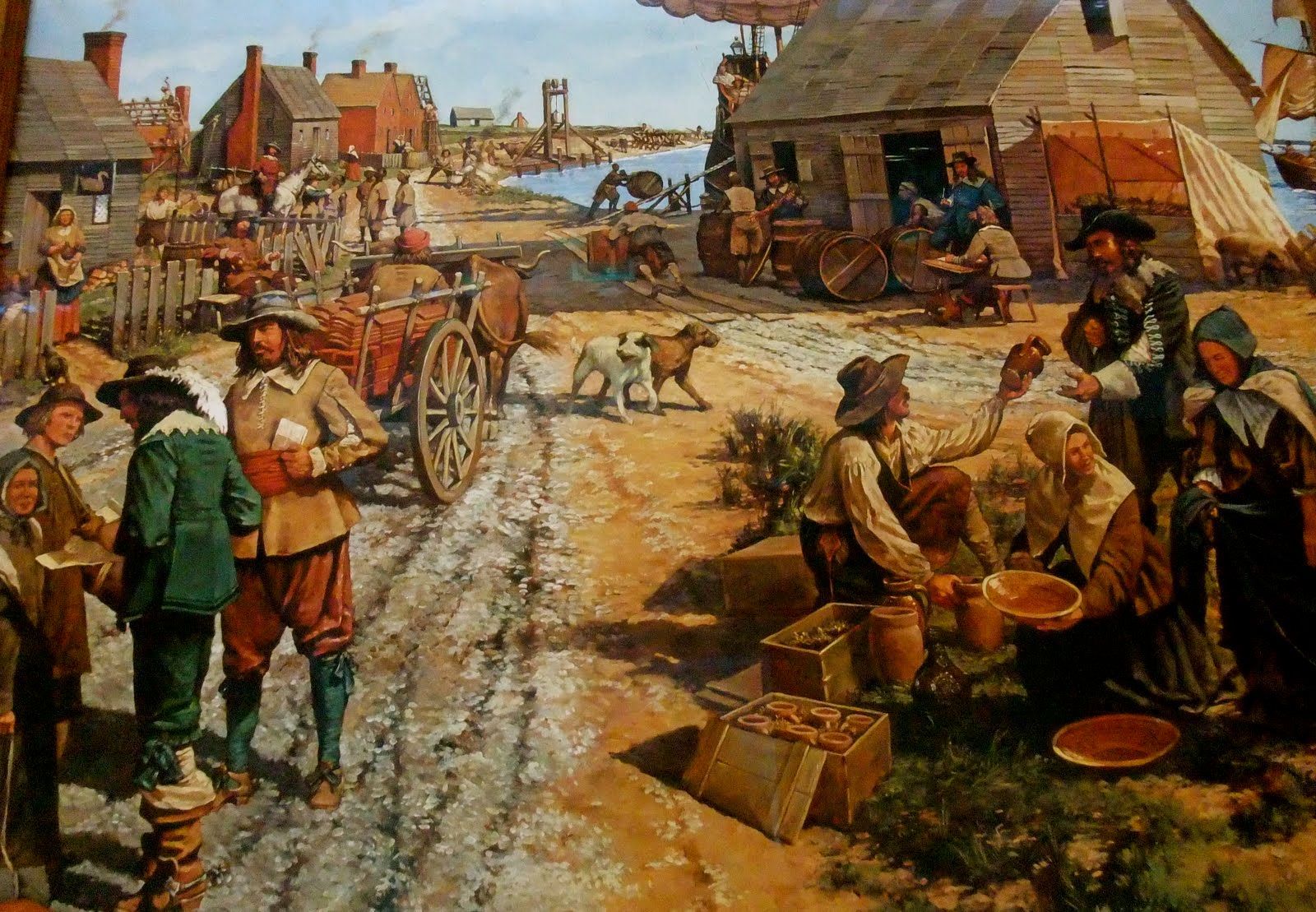
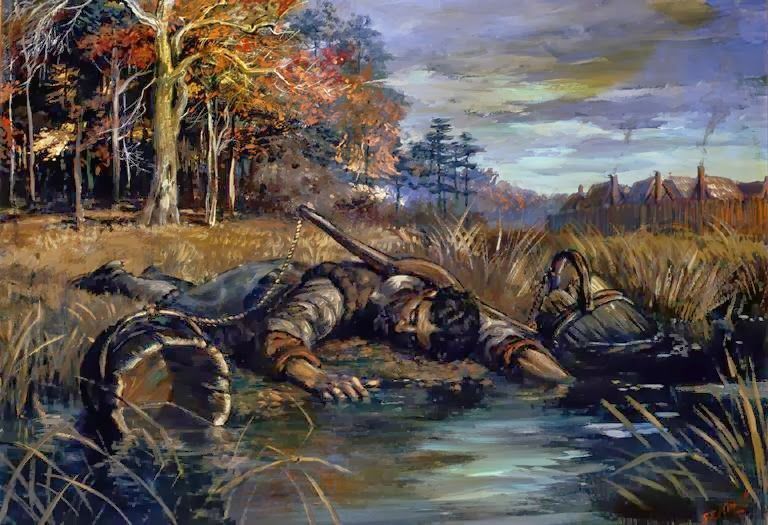
The wind off the James River in the winter of 1609 carried the smell of death. Inside the palisade of Jamestown, five hundred English souls had dwindled to sixty. Men who once wore velvet doublets now gnawed on boiled boot leather and bones rats had abandoned. The granary they called the Common Store stood almost empty, yet the fields around the fort lay fallow. Why plant corn tomorrow, the settlers reasoned, when the corn you plant today goes into the same warehouse that feeds the idler who sleeps until noon?
A gentleman named Wingfield, who had never swung an axe in his life received the same daily pint of wormy wheat as the carpenter who mended the stockade. The blacksmith refused to light his forge because the charcoal he burned and the nails he forged belonged to “the Company,” not to him. Hunger, that sternest of teachers, soon taught them the lesson that no sermon could: when no man reaps what he sows, few men will sow at all.
Captain John Smith stormed through the fort with a drawn sword and a new commandment carved into every heart: “He who will not work shall not eat.” Yet even Smith’s iron will could not break the charter law. The Virginia Company in far-off London had decreed a commonwealth. All labor was to be joint, all reward equal. The result was not equality but universal misery. By spring, the survivors looked like living skeletons, and the Powhatan mocked them as “tassantassas (strangers) who starve in the midst of plenty.”
Only when Sir Thomas Dale arrived in 1611 and committed what the Company’s directors would have called theft did the colony breathe again. Dale took a blade to the charter. He gave every man three acres of cleared land to call his own. Overnight the sluggard became a plowman. Corn sprang up where weeds had reigned. Hogs multiplied. Within six months Jamestown exported food instead of corpses. The same hands that had refused to lift a hoe for the Common Store now worked from dawn past dusk—for themselves and their families. The lesson was brutal and clear: private property turned starving Englishmen into prosperous Virginians.
Three hundred and eighteen years later, in the America of 2025, the ghost of the Common Store still walks.
It appears whenever a society decides that effort and reward must be divorced. It whispers through policies that punish the diligent and subsidize the idle, that seize the fruit of one man’s labor to feed another man’s indifference. It manifests in the quiet tragedy of cities where whole generations grow up believing work is optional because the modern common store—welfare without strings, bailouts without reform, student-loan forgiveness without accountability—will always be replenished by someone else’s toil.
In 2025 we do not lack granaries; our silos overflow. Yet in certain neighborhoods the fields of human potential lie as fallow as those around Jamestown in 1609. Young men scroll phones while the Common Store—now wired through direct deposits and EBT cards—provides just enough to keep body and soul together without demanding either body or soul be put to useful purpose. Entrepreneurs hesitate to hire because regulations and tax policies treat profit as a moral failing rather than the signal that a need has been met. The gentleman in velvet has become the trust-fund activist who condemns capitalism from an iPhone assembled by wage earners he will never meet.
The lesson of Jamestown is not that compassion is evil. Ships of mercy did arrive in 1610, and charity saved the remnant. The lesson is that charity and commons are not the same. One is voluntary and temporary; the other is compulsory and perpetual. One preserves dignity; the other erodes it. Jamestown survived only when Englishmen were allowed to own the corn their own hands planted. America in 2025 will thrive—or wither—by the same measure.
The Common Store always begins with the promise of fairness and ends with the reality of shared starvation. The private plot begins with inequality of effort and ends with abundance enough for all. Four centuries apart, the wind off the James still carries the same warning: a society that severs the link between work and reward will, in time, sever the link between its people and their future.
This is original work is produced by AK Darvinson with a combination of observation, critical thinking, insight, heart, compassion, passion, creativity, and technology. All rights are reserved. Free sharing is encouraged. Commercial use via license only.
Share: