Beyond Pearl Harbor
Palm trees sway like nothing’s gonna fall
Posts on this site may contain copyrighted material, including but not limited to music clips, song lyrics, and images, the use of which has not always been specifically authorized by the copyright owner. Such material is made available for purposes such as criticism, commentary, news reporting, teaching, scholarship, education, or research, in accordance with the principles of fair use under Section 107 of the U.S. Copyright Act.
Beyond Pearl Harbor
[Verse 1]
Moon over Waikīkī, silver on the tide
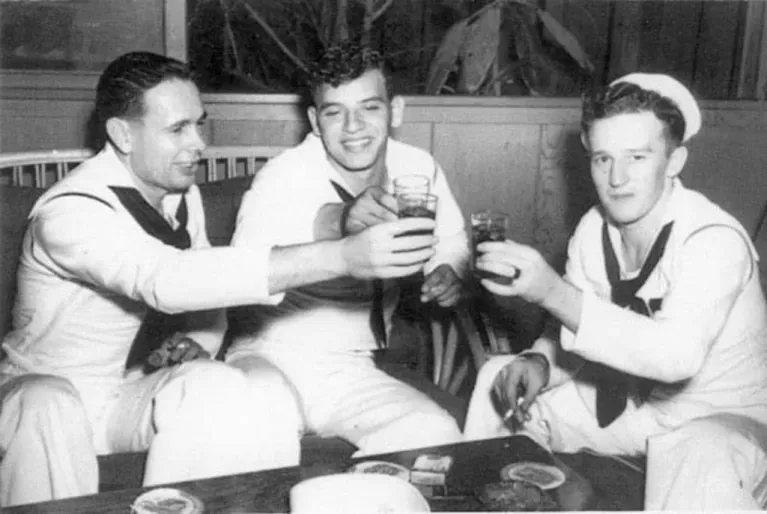
Schofield boys in khaki laughin’ side by side
Cards on the table, a cold Primus beer
No one hears the engines comin’ near
Palm trees sway like nothing’s gonna fall
Friday night in paradise, we had it all
From here to eternity, the night felt so long
Till the sunrise brought the sirens in a song
[Chorus]
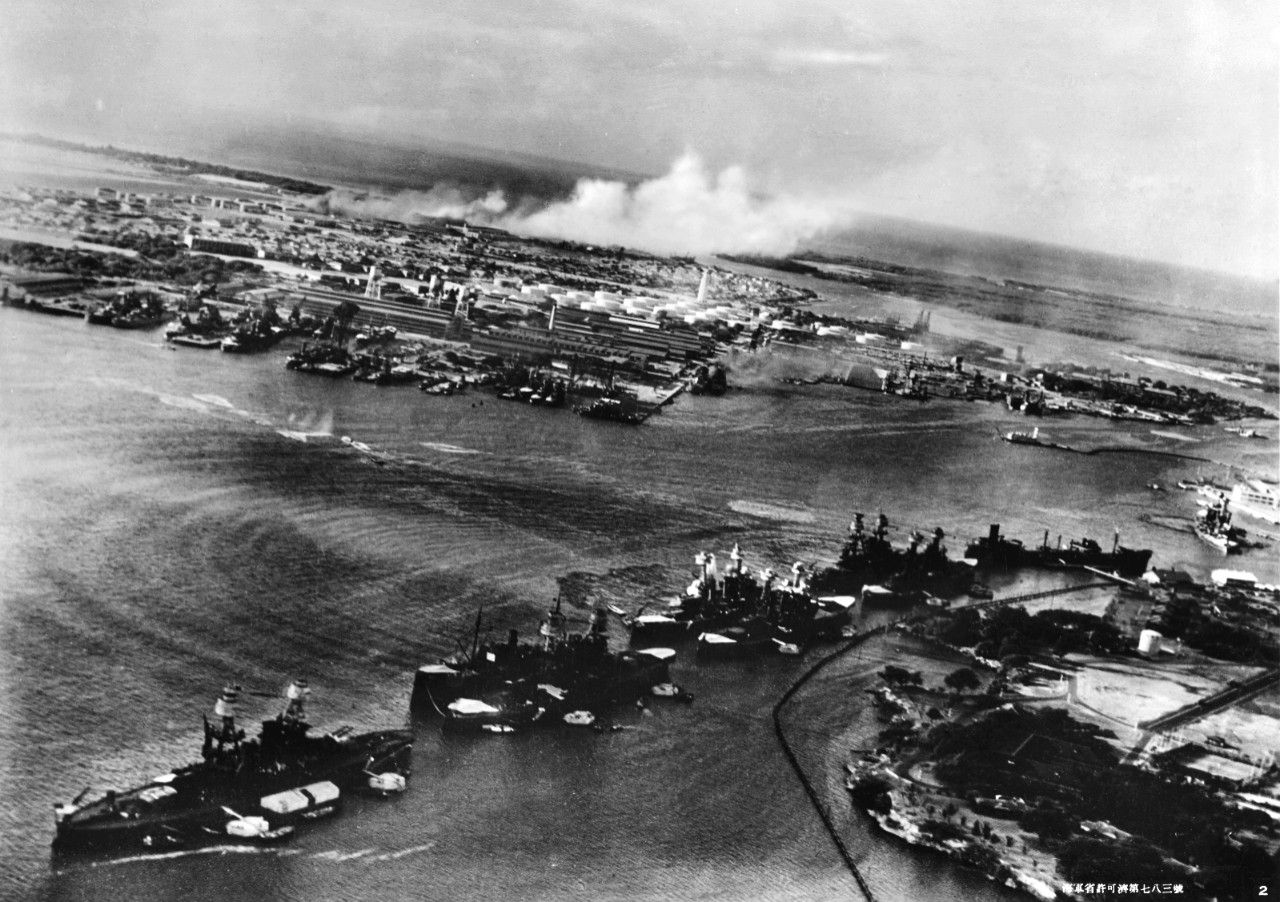
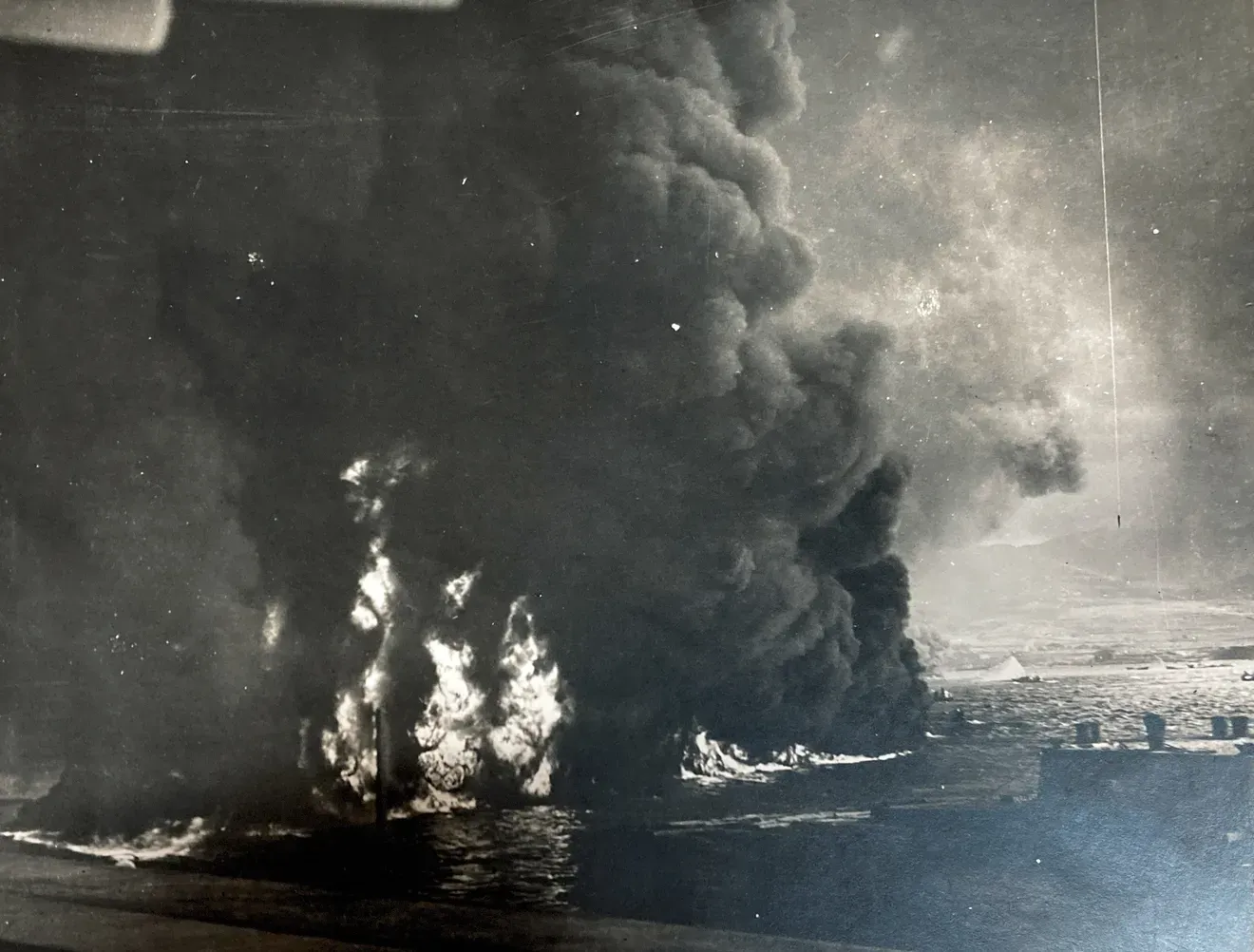
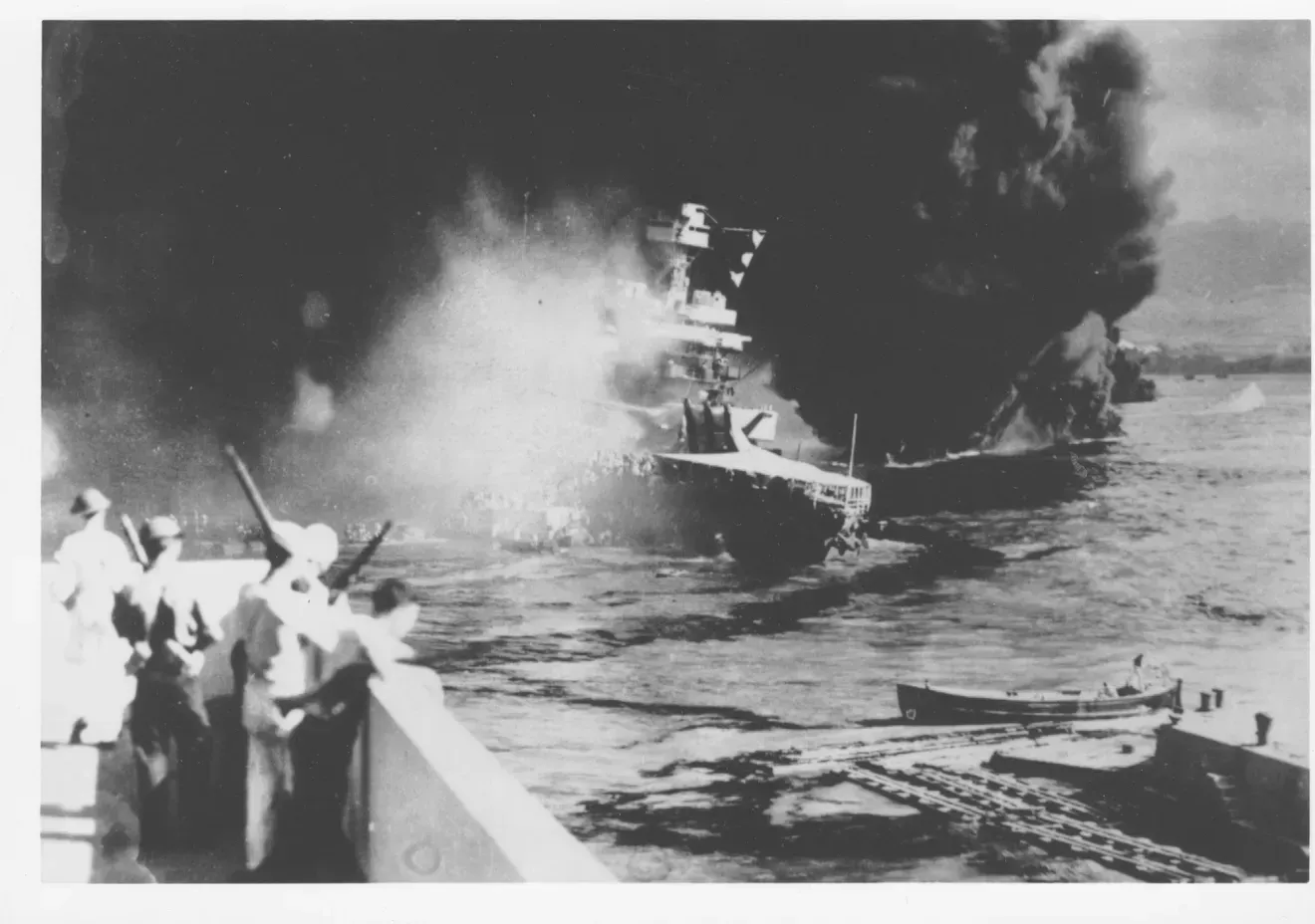
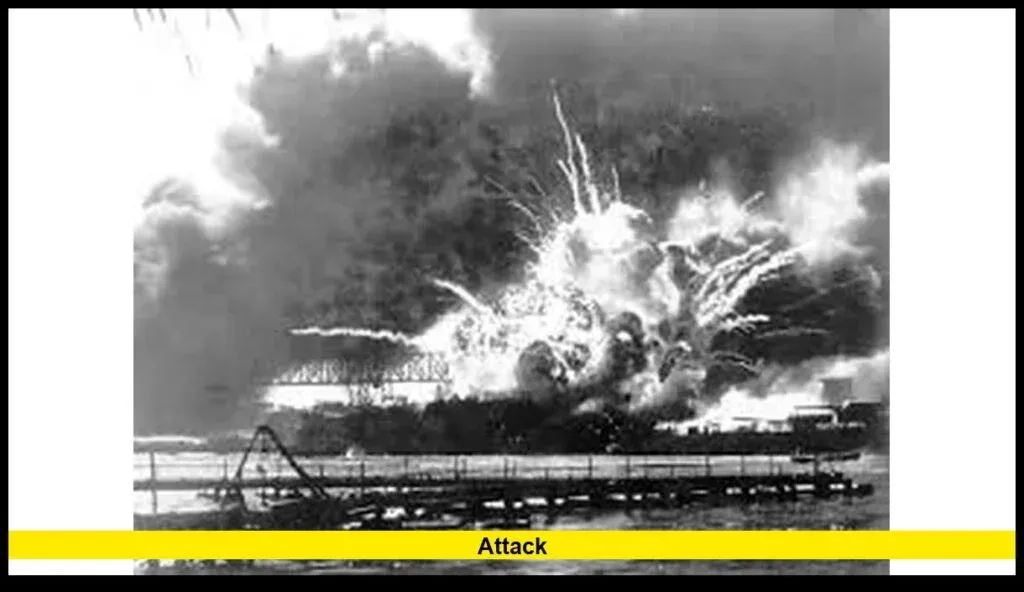
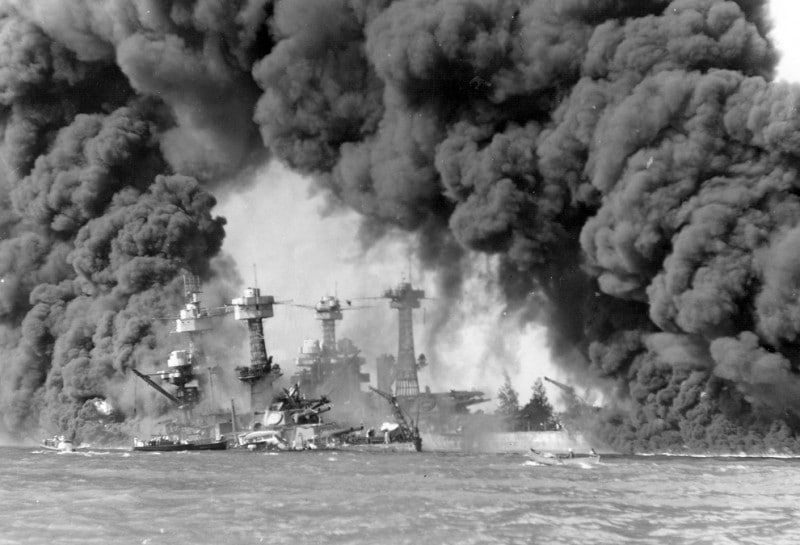
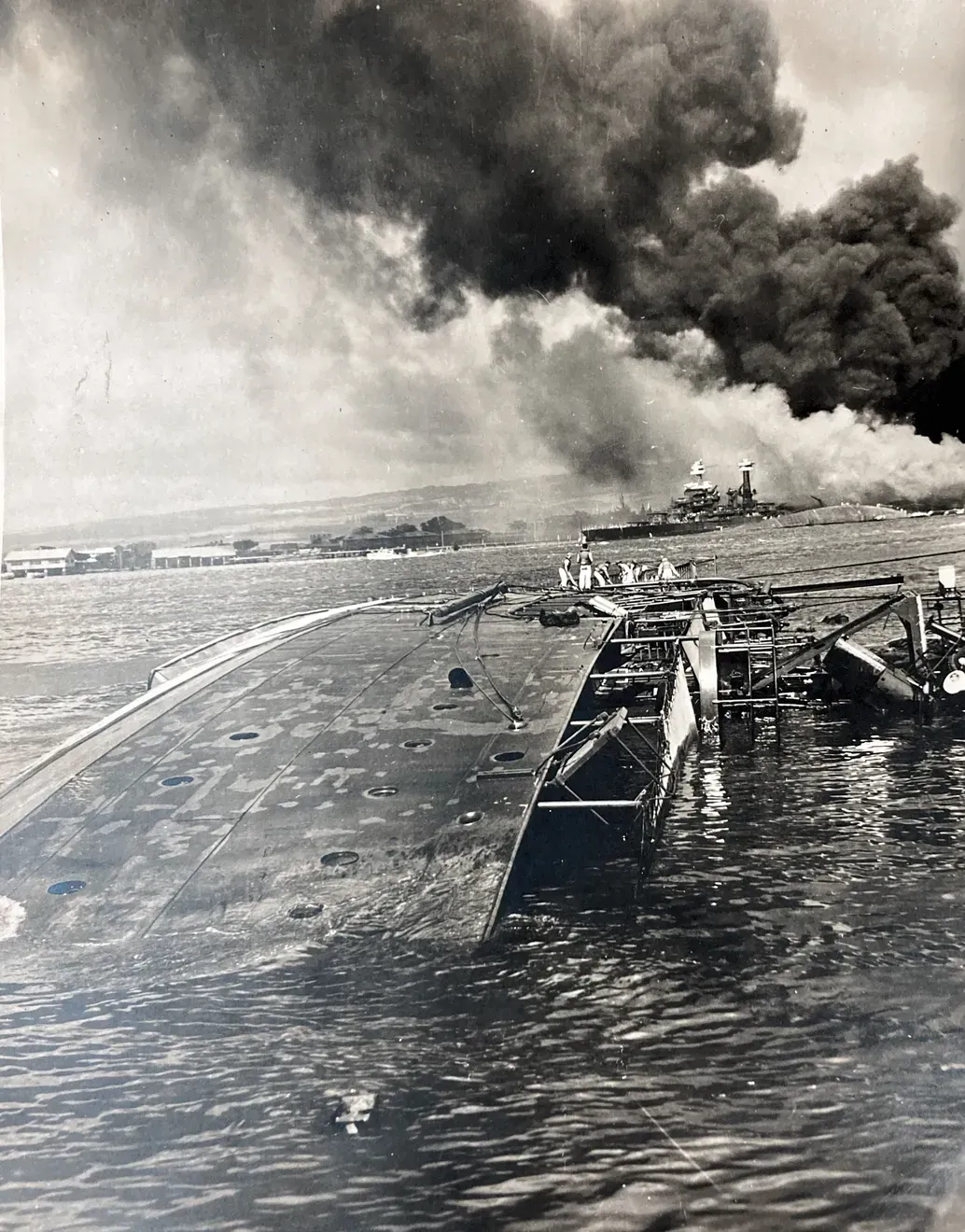
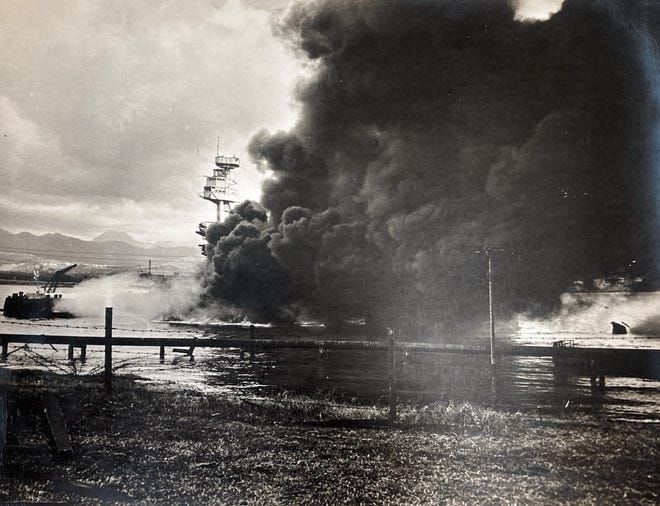
It wasn’t just Pearl Harbor that burned that December day
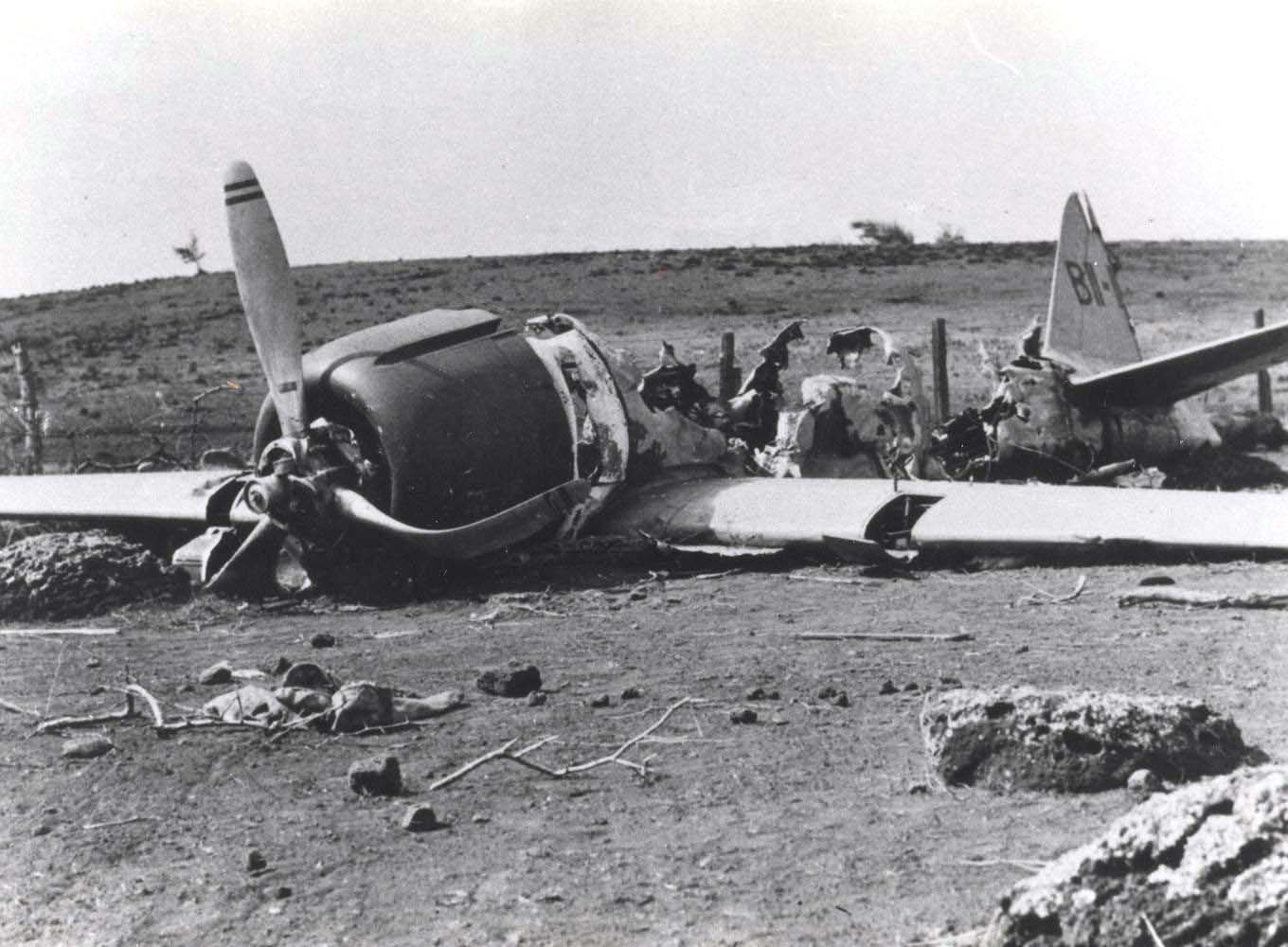
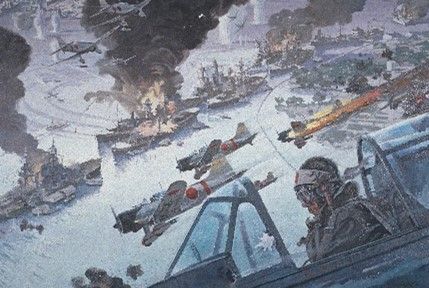
Zeros crossed the islands in a thunderous ballet
Wake and Guam and Manila, the whole wide ocean cried
While the steel guitar kept weepin’ on the wounded Hawaiian sky
[Verse 2]
Out at Wheeler Field the fighters never flew
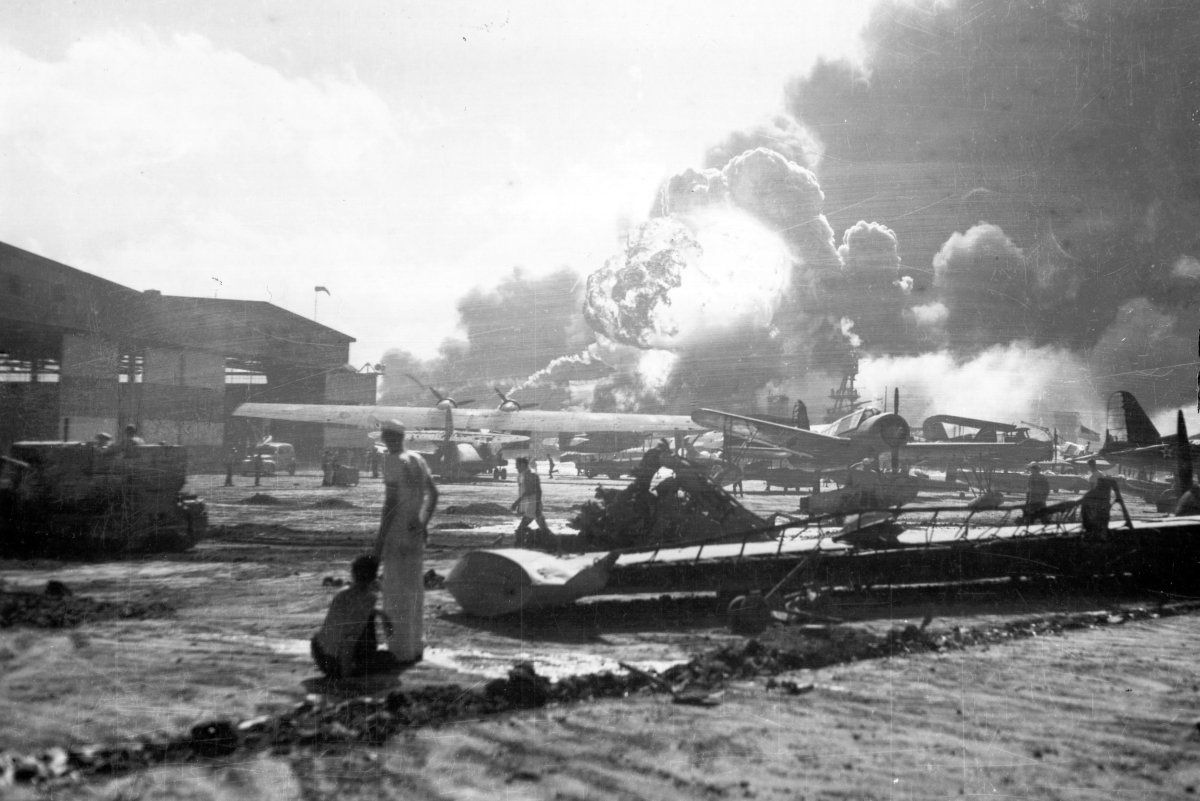
Hickam’s brand-new bombers broken clean in two
Kāne‘ohe Bay is bleedin’, seaplanes torn apart
Friendly shells rain on Honolulu, tear the morning heart
Two lieutenants in tux pants run barefoot through the flame
Welch and Taylor chase the rising sun, write their names
Rasmussen in pajamas climbs a shot-up Hawk and flies
Five hundred holes in the fuselage, fire in his eyes
[Chorus]
It wasn’t just Pearl Harbor that burned that December day
From Bellows to the Philippines, the whole world slipped away
Civilians caught in crossfire where the shrapnel learned to roam
And the steel guitar kept weepin’ soft and low for home
[Bridge – half-spoken, steel guitar swells]
They said the fleet was ready, they said the sky was clear
But the carriers sailed east, and left us sleepin’ here
Now martial law and blackout, no more moonlight serenade
Just the echo of the bugle and the price we never paid
[Final Verse]
Wake Island held sixteen days with rifles and with pride
Elrod took a destroyer down before he finally died
Out across the dateline the empire spread like flame
But the ghost of Sunday morning still remembers every name
[Outro – slow, fading]
So play that lonesome steel guitar beneath the Southern Cross
Remember every airfield, every life, every loss
It wasn’t just Pearl Harbor…
It was the day the wide Pacific learned the cost
Episode: "379: Beyond Pearl Harbor with Joshua Donohue"
https://www.basedonatruestorypodcast.com/379-beyond-pearl-harbor-with-joshua-donohue/
This episode of the Based on a True Story podcast, hosted by Dan LeFebvre, features history professor Joshua Donohue discussing the full scope of Japan's surprise attacks on December 7, 1941 (Hawaii time), extending far beyond the iconic assault on Pearl Harbor. Drawing from his research and films like From Here to Eternity (1953), Tora! Tora! Tora! (1970), Pearl Harbor (2001), and Midway (2019), Donohue separates historical facts from cinematic fiction, emphasizing the global coordination of the offensive, overlooked targets on Oahu, civilian casualties, and tales of heroism. The conversation unfolds chronologically, blending personal stories, military details, and analysis of how the U.S. was caught off-guard due to overconfidence and isolationism.
Pre-Attack Life on Oahu: A False Sense of Security
Life at bases like Schofield Barracks was routine and insulated—early reveille, drills, meals, and evenings of sports or town visits for enlisted men, who avoided pricey Honolulu nightlife. Donohue highlights the "bubble" of normalcy depicted in From Here to Eternity (80–90% accurate to James Jones's memoirs), where personal dramas (romances, promotions) overshadowed rising Pacific tensions. Soldiers enjoyed a tropical "vacation" vibe, ignoring Japan's aggressions, much like the pre-sinking calm in Titanic.
The Coordinated Pacific Offensive: A Multi-Front Assault
Japan's attack was a vast, synchronized operation to cripple U.S. and Allied forces:
- Pearl Harbor (7:55 a.m.): The centerpiece, but Donohue stresses it was one of many strikes to secure Japan's expansion.
- Wake Island: Hit hours later; 450 Marines and 1,200 civilians repelled initial waves for 16 days using scavenged Wildcat fighters. Hero Major Paul Putnam's squadron downed dozens; 1st Lt. Henry Elrod sank two destroyers before dying (posthumous Medal of Honor). The island fell December 23; the 1942 film Wake Island romanticizes the defense inaccurately.
- Philippines: Bombers from Formosa destroyed U.S. planes on the ground December 8; Gen. Douglas MacArthur delayed retaliation due to weather, leading to quick Japanese gains under Gen. Masaharu Homma.
- Other Targets: Guam, Hong Kong (surrendered Christmas Day, "Black Christmas"), Malaya (sinking of British ships Prince of Wales and Repulse by December 10), Thailand, and islands like the Solomons and Marshalls. By late December, Japan controlled a massive Pacific swath with no U.S. bases in between.
Oahu's Broader Targets: Airfields, Civilians, and Chaos
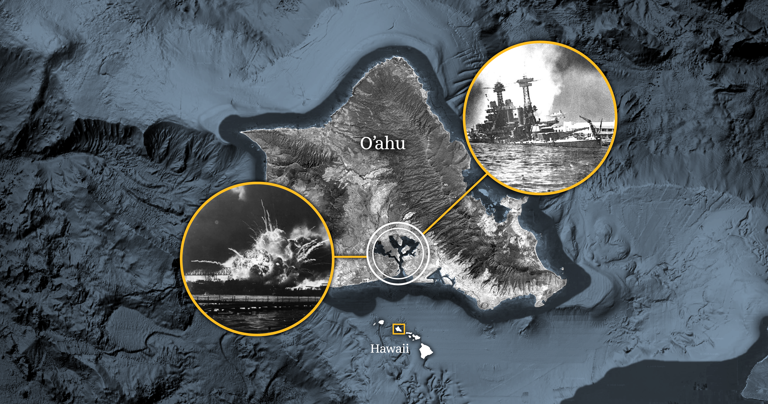
Beyond the harbor, Japanese Zeros and bombers hit airfields to neutralize U.S. airpower:
- Key Bases: Wheeler (fighters devastated), Hickam (B-17s arriving from the mainland wrecked), Bellows, Kaneohe Bay (PBY seaplanes halved), Ford Island, and Ewa (Marine squadron's desperate last stand, detailed in Donohue's World War II History Magazine article).
- First Shots and Heroics: USS Ward sank a mini-sub pre-attack. Pilots George Welch and Kenneth Taylor (in tuxedo pants from a night out) downed planes from Wheeler. Lt. Phil Rasmussen ("Pajama Pilot") flew a riddled P-36 over Kaneohe, landing with ~500 bullet holes. Incoming B-17s were caught in the raid; civilian flights (e.g., Piper Cubs) were strafed offshore, killing three sergeants.
- Civilian Toll: No intentional targets, but 47–68 deaths from U.S. anti-aircraft shells arcing into Honolulu (e.g., a family diner hit, a girl killed by porch shrapnel). Rumors of invasions sparked panic; Japanese Americans faced immediate suspicion. Films like Tora! Tora! Tora! capture this chaos well, unlike Pearl Harbor's exaggerations.
A fun "two truths and a lie" segment underscores surprises: truths include Wake's attack timing, Rasmussen's flight, and civilian hits; the lie was deliberate civilian targeting (casualties stemmed from friendly fire).
Immediate Aftermath and Long-Term Impact
Post-attack Oahu enforced blackouts, martial law, and drills, shattering the pre-war revelry. Globally, the U.S. reeled—its army smaller than Romania's—with low morale until the Doolittle Raid (April 1942), Battle of the Coral Sea (May), and Midway (June) turned the tide. Survivor pilots like Welch (16 kills, died 1953) and Taylor (wounded at Guadalcanal) became aces. Donohue notes media (radio, newsreels) amplified the shock, ending isolationism.
Key Insights and Revelations
Donohue argues films often narrow focus to Pearl's drama, missing the offensive's scale and Oahu's multi-site hits, leading to myths (e.g., no Doolittle Raid for Welch/Taylor). Unique stories include a Marine killed by friendly fire (later honored), civilian crane operator George Walters shielding a battleship, and the failed Japanese sub attack in March 1942. He praises authentic details in gear and routines for immersing viewers in the era's vulnerabilities, while heroism—from Wake's underdogs to Oahu's scrambles—sparked U.S. resolve.
Overall, the episode portrays December 7 not as an isolated "day of infamy" but a catalyst for a Pacific-wide war, with the unharmed U.S. carriers proving pivotal. Donohue's expertise makes the "beyond" aspects vivid, blending education with engaging anecdotes.
This is original work is produced by AK Darvinson with a combination of observation, critical thinking, insight, heart, compassion, passion, creativity, and technology. All rights are reserved. Free sharing is encouraged. Commercial use via license only.
Share: