Discernment
It's a gift ... and a curse.
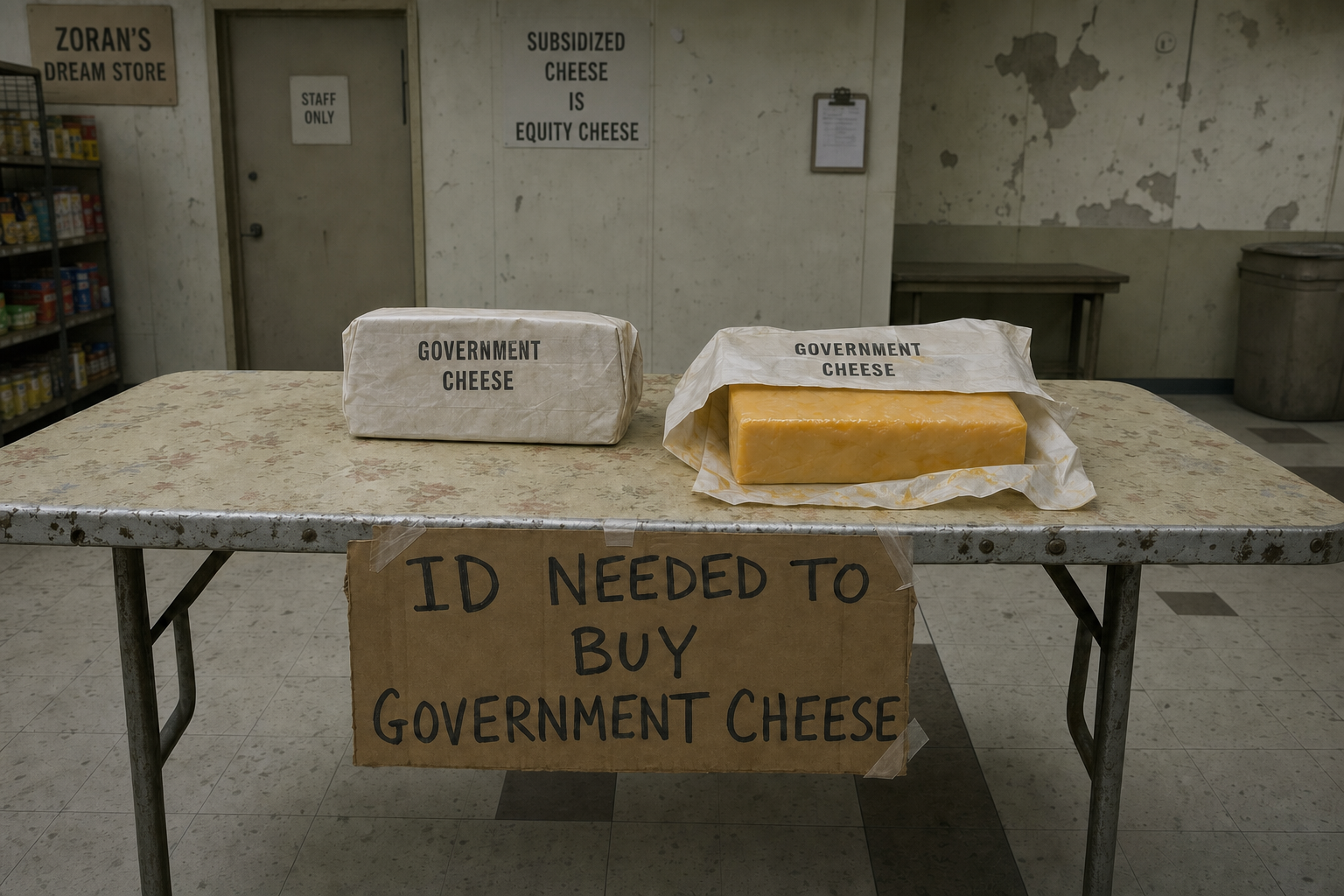
Discernment is a double-edged sword. One one hand, the power (skill?) of discernment brings clarity and with that, responsibility. ON the other hand, one with discernment is often seen by those without as harsh, critical, unfeeling, even out-of-touch. While nothing could be further from the truth, the perception can be powerful in those who have yet to wake to the greater truths. This piece was inspired by a lengthy meditation on why some see things clearly while others appear to refuse to see that which is, to some, plainly obvious.
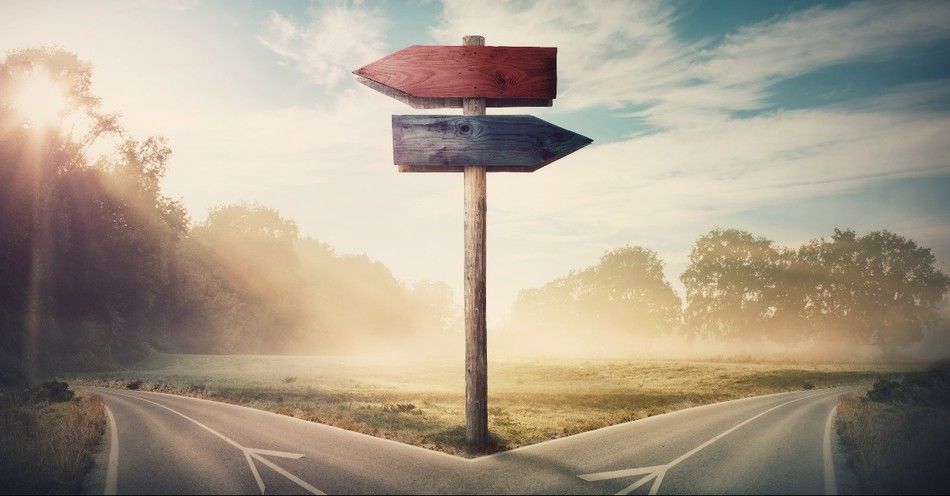
I've always thought of discernment as that quiet inner voice, the one that whispers warnings when everyone else is cheering along. In a world drowning in endless scrolls of info, half-truths, and outright bs, it's like having a built-in filter that cuts through the noise. But let me tell you, it's not always a gift that makes you popular. It's more like a double-edged sword—sharp enough to slice through illusions, but heavy enough to make you feel alone in a crowd.
Picture this: You're standing in long lines wrapping around buildings, everyone eager to roll up their sleeves for a shot the experts and officials kept calling "safe and effective"—even though it was rushed out under emergency authorization without the usual long-term trials that normally back up those bold claims. Millions trusted the word of government agencies and Big Pharma giants like Pfizer, lining up without digging deeper. But whispers and later revelations pointed to issues in Pfizer's own trials, like whistleblower allegations of sloppy data handling, unblinded patients, and delayed follow-ups on problems—stuff that raised questions about how clean the process really was. That's lack of discernment right there: folks not pausing to ask for more proof, not questioning the rush or the conflicts of interest, just going along because authority figures said it was fine.
And yeah, trust in government and Big Pharma often depends on that kind of widespread lack of discernment—people not probing the fine print or the potential risks. It keeps the system humming without too much pushback.
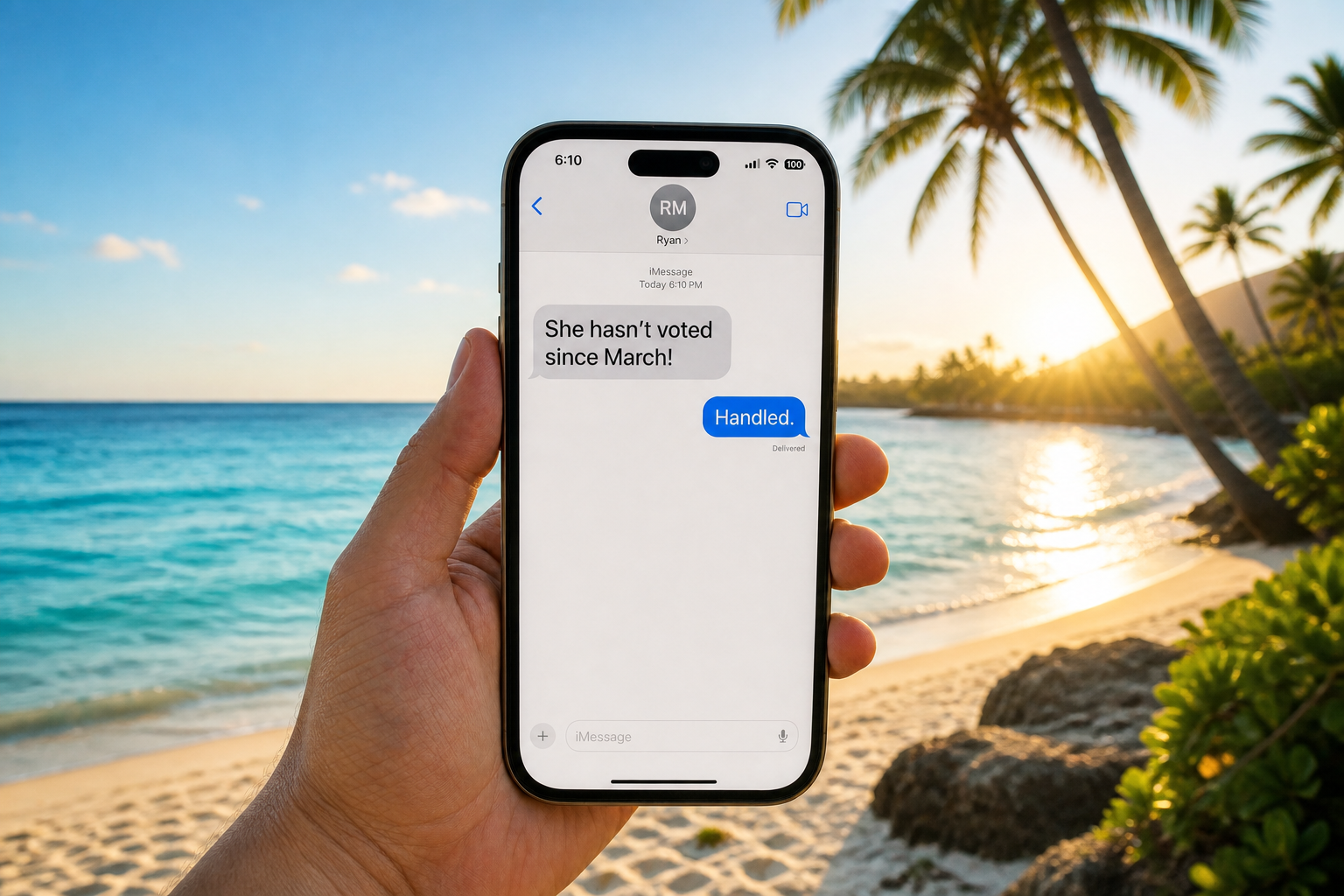
And here's where it gets real for me—having discernment often turns you into the bad guy in rooms where denial is the vibe. I've been there, calling out a friend's toxic partner who's all charm on the outside but manipulative underneath. Suddenly, I'm the "negative" one, the buzzkill who won't let everyone pretend it's all good. Or on social media, when I point out that viral post about a politician is cherry-picked or flat-out fake, I get labeled a hater or a know-it-all. Discernment means holding onto truths that sting, ones others aren't ready to face. It's not about being superior; it's about seeing the full picture, even when it's ugly.
I don't hate people for their blind spots—far from it. I just can't bring myself to romanticize the mess. Like, we all know those influencers peddling "perfect" lives, but discernment lets you see the filters, the sponsorships, the staged happiness. Refusing to buy into that doesn't mean you're bitter; it means you're real with yourself.
At its heart, discernment brings clarity, and clarity? That's a call to action. It pushes you to take responsibility—for your choices, your beliefs, your growth. Without it, we're just drifting, easy prey for whatever narrative comes along. And let's be honest, that's exactly how the powers that be like it.
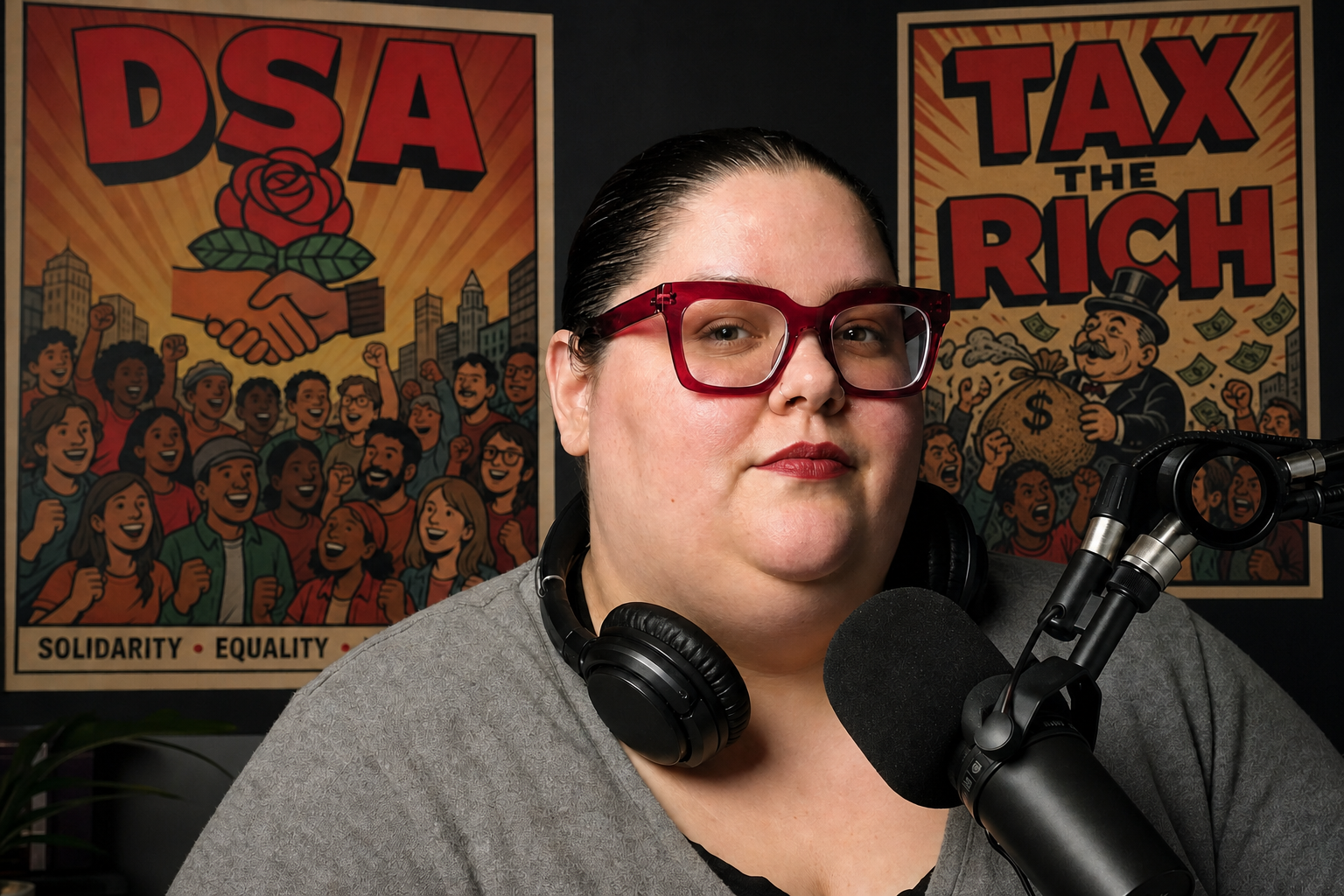
Think about it: A cultivated lack of discernment keeps the masses in check, benefiting the ruling class big time. Governments and corporations thrive when we don't question endless wars funded by our taxes, or when we swallow ads that convince us we need more stuff to be happy. Education systems that skim over critical thinking? Media empires pushing divisive clickbait? It's all designed to keep us divided and distracted, scrolling instead of organizing.
If everyone honed their discernment, imagine the shake-up—fewer wars started on lies, less environmental destruction for profit, more real accountability. But nah, the elite prefer us foggy, chasing shadows while they pull the strings.
In the end, discernment isn't just a skill; it's a quiet rebellion. It challenges the cozy lies we tell ourselves and each other, forcing us to grow even when it hurts. I've embraced it, thorns and all, because living with eyes wide open beats stumbling in the dark any day. In this chaotic world, it's the one power we can all claim—if we're brave enough.

Share: